Antennas
Broadband discone and biconical antennas covering 75 MHz to 6 GHz, omnidirectional and vertically polarised, for monitoring, measurement and transmit sites.
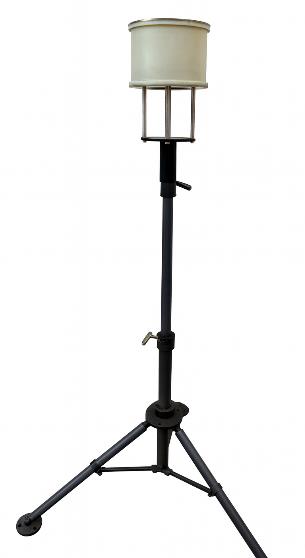
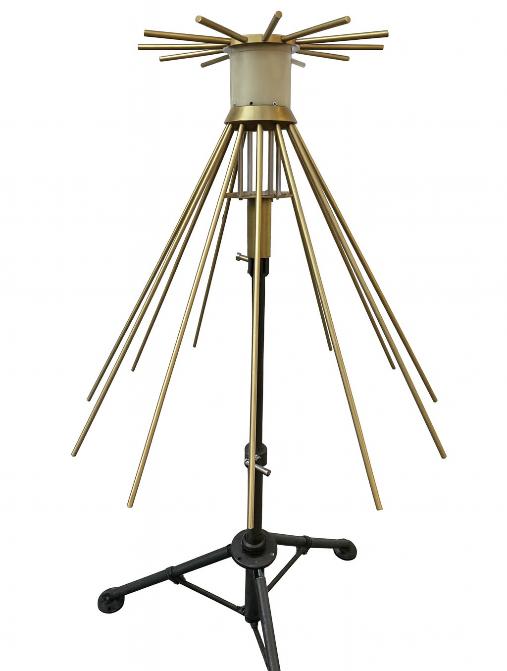
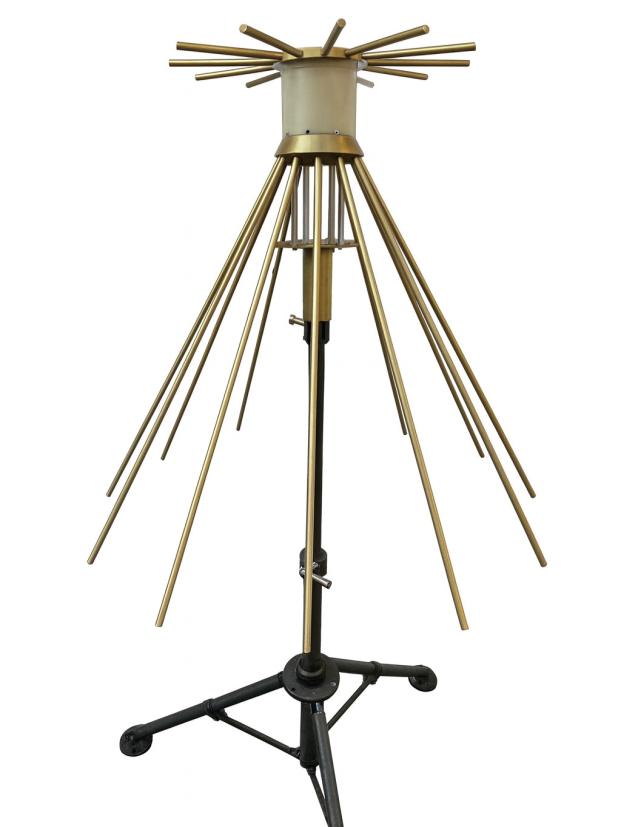
Broadband discone and biconical antennas, 75 MHz to 6 GHz
A broadband antenna replaces a rack of narrowband ones. Our discones and biconical each cover a wide band through a single 50 Ω N-type connector, and between them they reach from 75 MHz to 6 GHz.
All three are vertically polarised and omnidirectional in azimuth, rated for transmit as well as receive, built in aluminium with a chemical conversion finish, and mount on a Ø50 mm tube. Each datasheet includes measured gain, VSWR and radiation patterns across the band.
Compare the range
| Part | Type | Band | Nominal gain | Power, CW / peak | Connector |
|---|---|---|---|---|---|
| SL-DCA-75-550 | Discone | 75–550 MHz | 2 dBi | 300 W / 3000 W | N-type female |
| SL-DCA-120-1300 | Discone | 120–1300 MHz | 2 dBi | 200 W / 2000 W | N-type female |
| SL-BCA-1200-6000 | Biconical | 1.2–6 GHz | 2 dBi | 50 W / 500 W | N-type female |
Peak ratings are for pulsed power. Gain varies across each band; the measured curve is in the datasheet.
Discone or biconical?
Discones for VHF and UHF
A disc above a cone gives a very wide band from one feed, which is why discones are the usual choice for VHF and UHF monitoring, scanners and multi-band transmit sites. Ours cover 75 to 550 MHz and 120 to 1300 MHz.
Biconical for microwave
Two cones fed at their tips stay compact at higher frequencies. The SL-BCA-1200-6000 covers 1.2 to 6 GHz, including the 2.4 and 5 GHz bands, in a body 205 mm across.
Check power for transmit
Continuous ratings run from 50 W on the biconical to 300 W on the 75 to 550 MHz discone, with peak pulsed ratings ten times higher.
Read gain at your frequency
2 dBi is the nominal figure. Real gain rises and falls across a broadband antenna's range, so check the measured gain curve in the datasheet at the frequencies you care about.
Frequently asked questions
What is a discone antenna used for?
A discone is a broadband, vertically polarised antenna that is omnidirectional in azimuth. It suits any job where one antenna has to cover a wide frequency range: spectrum monitoring and surveillance receivers, scanners, broadcasting, antenna measurement and multi-band transmit systems.
What is the difference between a discone and a biconical antenna?
Both are broadband and omnidirectional in azimuth. A discone places a disc above a cone and works well at VHF and UHF; a biconical uses two cones fed at their tips and stays compact at microwave frequencies.
Can I transmit through these antennas?
Yes. Depending on the model they handle 50 W to 300 W continuous and 500 W to 3000 W peak pulsed power.
Can the biconical be used as an active receive antenna?
Yes. With an external low-noise amplifier the SL-BCA-1200-6000 becomes an active receive antenna.
How are the antennas mounted and connected?
All three mount on a Ø50 mm tube and connect through a 50 Ω N-type female connector.
Need a different band or mounting?
Tell us the frequencies, power and site you are working with. The first consultation is free.